Understanding Different Denominations in Christianity
Introduction: The Variety of Christian Denominations
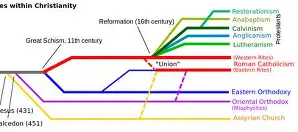
Within the vast landscape of Christianity, one can find a diverse array of denominations and churches, each with its unique beliefs, practices, and traditions. This diversity may seem puzzling or even divisive to some, but it is essential to understand the historical and theological context that shaped these differences.
The Essential Unity: The Nicene Creed
At their core, all Christian denominations share a common belief in the essentials of Christianity as expressed in the Nicene Creed—that Jesus Christ is both fully human and fully divine, born of the Virgin Mary, died for our sins, rose from the dead, ascended into heaven, and will return to judge the living and the dead.
Divergent Paths: The Evolution of Christian Denominations
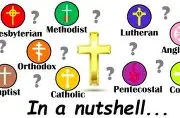
Although all Christian denominations agree on these essential truths, they have developed various interpretations and emphases over time. These differences have led to the emergence of distinct denominations and churches. One example is the Baptists, who place a strong emphasis on individualism and personal relationships with Jesus Christ, often leading to independent or non-denominational churches. On the other hand, churches such as Anglican or Episcopalian tend to be more “high church,” emphasizing the importance of religious rituals and church structure.
The Impact of Interpretation and Drift
The drifting away from the truth of God’s Word has played a significant role in the emergence and persistence of various Christian denominations. As interpretations of scripture evolved, differences in beliefs and practices emerged, leading to the creation of new denominations and further divisions within Christianity.
The Call for Unity: A Testament to God’s Love
Despite these divisions, the Bible calls us to preserve the unity of the Spirit in the bond of peace, reminding us that we are all part of one body and one church. As believers, it is our responsibility to work towards unity, allowing our unity to serve as a testament to God’s love for the world.
Lesson Summary
– Christian denominations share a common belief in the essentials of Christianity as expressed in the Nicene Creed.
– Differences in interpretation and emphasis have led to the emergence of various Christian denominations, such as Baptists and Anglicans.
– The drifting away from the truth of God’s Word has contributed to the diversity of Christian denominations.
– The Bible calls us to preserve unity as a testament to God’s love for the world.
Further Resources
- Video: All Christian denominations explained in 12 minutes
- Video: Why are there so many denominations? – Ask Dr. Stanley
Reflection Questions
– How can we, as Christians, work towards preserving unity within our communities and churches?
– What are some ways in which your denomination or church interprets the essential truths of Christianity differently from others?
Prayer
Heavenly Father, help us to be united in our faith and follow Your Word. May we strive to preserve unity among believers, allowing our lives to serve as a testament to Your love for the world. In Jesus’ name, Amen.

Closing Thought
May we always remember that our unity is a testament to God’s love for the world and work towards fostering harmony within our Christian communities.