
The Historical Reality of the Exodus and Mount Sinai: A Biblical Analysis
Introduction
In this study guide, we will explore the historical reality of the Exodus and Mount Sinai events as described in the Bible. We’ll delve into the archaeological evidence, geographical context, and cultural implications of these stories that have shaped human history for thousands of years.
The Story of the Exodus
According to the Book of Exodus, the Israelites were enslaved in Egypt for hundreds of years. God spoke to Moses through a burning bush and commanded him to free the Israelites from their slavery (Exodus 3:1-4:20). After various trials and tribulations, Pharaoh finally relented, and the Israelites left Egypt.
The Red Sea Crossing
One of the most significant events in the Exodus story is the crossing of the Red Sea. The Bible states that God parted the Red Sea for the Israelites to pass through, with the waters closing behind them to drown the Egyptian pursuers (Exodus 14:21-31).
Geographical Context
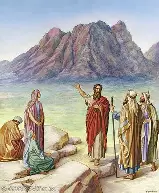
The traditional location for the Exodus story places the Israelites in Egypt’s eastern Nile Delta region (Goshen). The Red Sea crossing is believed to have occurred at the Gulf of Aqaba or the Straits of Tiran, where geological evidence suggests that under specific conditions, the waters could part as described in the Bible.
Archaeological Evidence

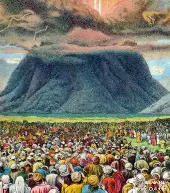
Archaeological excavations have uncovered several ancient cities and artifacts within the Sinai Peninsula that could potentially be related to the Israelites’ journey. For example, there is evidence of a Bronze Age settlement near Mount Sinai (Exodus 19:1-5) where Moses received the Ten Commandments.
Cultural Implications
The Exodus story has had profound cultural implications, shaping Jewish identity and inspiring countless works of art, literature, and music. The story’s themes of freedom, faith, and redemption continue to resonate with people today.
Conclusion
While the historical reality of the Exodus and Mount Sinai events remains a topic of debate among scholars, the story’s profound impact on human history and spirituality is undeniable. By examining archaeological evidence, geographical context, and cultural implications, we can gain a deeper understanding of these stories and their enduring significance.