How the Bible Canon was Decided: Historical Facts
Introduction
This article provides a comprehensive exploration of the historical events that led to the formation of the Bible’s canonical texts. The Bible, as we know it today, consists of 66 books in total, but its compilation was not an instantaneous process.
Development
The New Testament: A Starting Point
One of the first challenges in establishing a definitive Bible canon came with the collection of the New Testament. The New Testament, unlike the Old Testament, did not exist as a single text during the early Christian era.
Council of Laodicea (c. 363-364 AD)
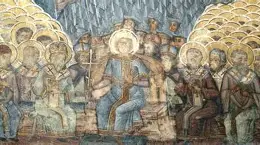
The Council of Laodicea, held in modern-day Turkey, played a crucial role in the canonization process. This council established guidelines for which books should be considered canonical, although not all churches followed these rules strictly.
Conclusion
The Bible’s canon was not decided overnight but rather evolved over several centuries. This process involved various councils, regional differences in text acceptance, and the growth of the early Christian Church.

Key Takeaways
- The Bible’s canon was a gradual process, not an instantaneous decision.
- Regional differences and the growth of the early Christian Church played significant roles in the canonization process.
- The Council of Laodicea provided guidelines for which books should be considered canonical but was not universally followed.