
Historical Context of the Letters of Apostle Paul
Introduction: Understanding the Letters of Apostle Paul
The New Testament contains 21 letters, written by the apostles to communities of Jesus’ followers throughout the ancient Roman Empire. In this article, we will explore the historical context of these letters, focusing on the works of Apostle Paul.
Historical Context: Three Levels to Keep in Mind
To fully grasp the significance of Paul’s letters, it is essential to consider three levels of historical context.
1. **The Larger Storyline of Scriptures**: The story begins with God creating humanity as his partners and our choice to rule on our own terms, leading to violence, exile, and death. However, God promised that life and blessing would spread to all nations through Abraham’s descendants, culminating in Jesus’ arrival. Paul saw himself as a herald announcing the arrival of God’s kingdom.
2. **The Culture of the Roman Empire**: The apostles wrote these letters during the first century, when Rome ruled the world. Understanding the culture and power dynamics of this era helps us appreciate the boldness and impact of Paul’s messages.
3. **Specific Historical Context for Each Letter**: Each letter addressed unique crises, church divisions, false teachings, persecution, and confusion about core beliefs. Knowing the timeline and historical context of each letter enriches our understanding of the Scripture.
Historical Background: The Galatian Crisis
In 49 AD, Paul wrote his first letter to the Galatians as they were being led astray by false teachers. These men insisted that Gentile converts must follow the Mosaic law and undergo circumcision to be saved. Paul vehemently opposed this legalistic approach, emphasizing grace instead.
Conclusion: The Significance of Apostle Paul’s Letters
Understanding the historical context of Apostle Paul’s letters provides valuable insights into the development of early Christianity and the challenges faced by its followers. By placing these letters in their proper context, we can better appreciate the depth and richness of Paul’s teachings.
Lesson Summary
1. Apostle Paul’s letters were written to communities of Jesus’ followers within the Roman Empire during the first century.
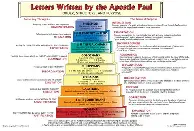
2. To fully understand these letters, consider three levels of historical context: the larger storyline of scriptures, the culture of the Roman Empire, and the specific historical context for each letter.
3. The Galatian crisis, as depicted in Paul’s first letter to the Galatians, serves as a prime example of the challenges faced by early Christians and the importance of understanding historical context.