Biblical Idioms and How to Interpret Them Correctly
Introduction
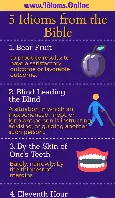
In the rich tapestry of biblical texts, idioms are common expressions that convey specific meanings beyond their literal interpretations. These linguistic constructs provide insights into the cultural context, historical background, and spiritual significance of the scriptures. In this article, we will explore various biblical idioms and guide you on how to interpret them correctly.
Understanding Biblical Idioms
Biblical idioms are figurative expressions that were common in the ancient Near East, including Sumeria, Akkadia, Egypt, and Babylon. These expressions reflect a universal understanding of the cosmos and God’s presence in creation.
Example: “The Universe”
For example, the phrase “the heavens and the earth” (פרשית ערה אלוכים את השמיים להזכות של יופ) is a biblical idiom that often appears in both the Old and New Testaments. In this context, “heavens” (שמיים) refers not only to the physical sky but also to the spiritual realm, while “earth” (ערה) encompasses everything on Earth, including humans.
Interpreting Biblical Idioms
To interpret biblical idioms correctly, it is essential to understand their historical and cultural context. In some cases, these idioms have been incorporated into the English language (e.g., “son of perdition” from John 17:12), while in other instances, they may require a more nuanced translation to convey their intended meaning accurately.
Example: “Son of Perdition”
The idiom “son of perdition” (υἱὸς ἀπώλειας) in John 17:12 is a Hebrew idiom or Semitic expression, meaning the one doomed to destruction. In English, it would be more accurate to say “one doomed to destruction” instead of “son of destruction.”
Example: “Master of Dreams” vs. “Dreamer”
Another example is the Hebrew idiom for being generous, which can be translated as “open-handed.” Conversely, being stingy is described as being “tight-fisted.” These idioms work well in English and convey their intended meaning accurately.
Conclusion
Understanding biblical idioms enriches our engagement with scripture and deepens our appreciation for the cultural context in which these texts were written. By learning to interpret idioms correctly, we can gain valuable insights into the spiritual truths that God intended for us to discover.

Lesson Summary
- Biblical idioms reflect a universal understanding of the cosmos and God’s presence in creation.
- To interpret biblical idioms correctly, it is essential to understand their historical and cultural context.
- In some cases, these idioms have been incorporated into the English language, while in other instances, they may require a more nuanced translation to convey their intended meaning accurately.
- By learning to interpret idioms correctly, we can gain valuable insights into the spiritual truths that God intended for us to discover.
Additional Resources
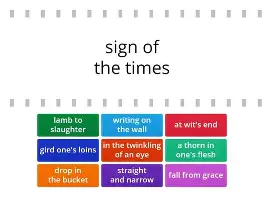
For a more comprehensive study of biblical idioms and their interpretation, we recommend the following resources:
- The Idiomatic Expression: What is an Idiomatic Expression? – Bible Idioms
- Hebrew Idioms in the Bible
Further Exploration
As you delve deeper into the study of biblical idioms, we encourage you to explore other texts and seek out additional insights. Remember, the pursuit of knowledge about God and his Word is a lifelong journey, and we are all students in His divine classroom.

Questions for Reflection
- Can you identify any biblical idioms in the texts you have recently studied or read?
- What steps can you take to ensure that your understanding of these idioms is accurate and informed by their historical and cultural context?
- How does a deeper appreciation for biblical idioms enrich your personal relationship with God and your understanding of His Word?