
Biblical Creationism vs Evolutionary Theism Explained
Introduction
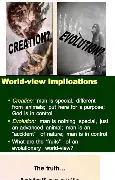
In this article, we will examine two significant perspectives on the origin and development of life: biblical creationism and evolutionary theism. Both views are deeply rooted in religious and scientific interpretations, offering unique insights into the nature of existence.
Biblical Creationism
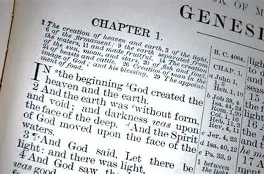
Creationism is based on the belief that God created the universe and everything in it in six days as described in the Bible’s Book of Genesis. This perspective emphasizes a literal interpretation of scripture and posits that the Earth is approximately 6,000 years old.
Key Takeaways:
- God created the universe and everything in it in six days.
- The Earth is believed to be about 6,000 years old.
- Adherents often emphasize a literal interpretation of scripture.
Evolutionary Theism
Evolutionary theism is the view that God used the natural processes of evolution to create life as described in the Bible. This perspective acknowledges the scientific evidence for the development of species over time while maintaining belief in a divine creator who governs the universe.
Key Takeaways:
- God used natural processes, such as evolution, to create life.
- Acknowledges scientific evidence for the development of species over time.
- Maintains belief in a divine creator who governs the universe.

Comparison and Analysis
Both biblical creationism and evolutionary theism share the common ground that they attribute life’s origins to a divine creator. The primary difference lies in their interpretation of how God created life: through supernatural intervention or using natural processes.
Key Takeaways:
- Both perspectives attribute life’s origins to a divine creator.
- Creationism emphasizes supernatural intervention, while evolutionary theism focuses on natural processes.

Biblical Objections and Responses
While evolutionary theism is theoretically compatible with creation, some biblical objections still arise. For example, the age of the Earth and the development of species over time may seem to contradict certain passages in the Bible. However, proponents of evolutionary theism argue that these apparent contradictions can be reconciled through a thorough understanding of the historical and cultural context of the texts.
Key Takeaways:
- Evolutionary theism is theoretically compatible with creation, but biblical objections still arise.
- The apparent contradictions can be reconciled through a thorough understanding of the historical and cultural context of the texts.

Young Earth Creationism Problems
Young earth creationism, a specific form of creationism, posits that the Earth is only about 6,000 years old. However, there are several biblical passages that create problems for this view, such as references to people living hundreds of years and having children in their old age. These apparent contradictions challenge the young earth theory’s interpretation of certain passages.
Key Takeaways:
- Young earth creationism posits that the Earth is only about 6,000 years old.
- Several biblical passages create problems for this view, such as references to people living hundreds of years and having children in their old age.
Lesson Summary
Biblical creationism and evolutionary theism offer unique perspectives on the origin and development of life, both grounded in religious and scientific interpretations. While these views share common ground in their belief in a divine creator, they differ in their understanding of how God created life: through supernatural intervention or using natural processes. Understanding the historical and cultural context of biblical passages can help reconcile apparent contradictions between evolutionary theism and certain passages.