The Role of Eyewitness Testimony in the Gospels
Introduction
In this article, we will explore the significance and role of eyewitness testimony in the Gospels. This analysis will provide insights into how these firsthand accounts contribute to the authenticity and historical accuracy of the biblical texts.
The First-Hand Accounts: Eyewitness Testimony
The Gospels, as narratives of Jesus’ life, death, and resurrection, are traditionally believed to have been written by individuals who were eyewitnesses or associates of those who witnessed the events described. This unique perspective allows for a firsthand account of historical events that would otherwise be lost in time.
The Gospels’ Historical Accuracy
One piece of evidence supporting the claim that the Gospels are eyewitness accounts lies in their accuracy regarding historical facts and details. For example, consider Luke’s account of Jesus being warned by Pharisees about Herod Antipas (Luke 13:31-33). This seemingly straightforward story contains a detail that speaks to the author’s firsthand knowledge of geography and politics of the time.
The Importance of Context
In Luke’s narrative, Jesus dismisses the Pharisees’ warning by calling Herod Antipas a fox, despite the fact that he no longer ruled in Galilee (where Jesus had been primarily based up to this point). However, as Jewish historian Josephus notes, Herod Antipas also ruled over a territory east of the Jordan River known as Perea. This detail, though not explicitly stated by Luke, is crucial for understanding the context and the relevance of the warning given by the Pharisees (Josephus, _Antiquities_, 18.5.2 §198-199).
The Disagreement Among Eyewitnesses
Another key aspect to consider when evaluating the eyewitness testimony in the Gospels is the presence of discrepancies among the accounts. These differences should not be surprising, as they reflect the realities of human memory and communication. Witnesses never agree in every detail, and the order in which their testimonies are recorded can significantly influence the overall narrative (see video: “The True Nature of Eyewitness Testimony Explains the Differences in the Gospels”).
Lesson Summary
In this article, we have examined the role of eyewitness testimony in the Gospels by considering the historical accuracy of the narratives and the impact of context on our understanding. We also acknowledged the presence of discrepancies among accounts, recognizing these as a reflection of the complexities inherent in human memory and communication.
The analysis of eyewitness testimony in the Gospels serves to strengthen the authenticity and historical accuracy of these biblical texts, providing valuable insights into the events surrounding Jesus’ life, death, and resurrection.
Further Exploration
For those seeking to delve deeper into the subject, we recommend the following resources:
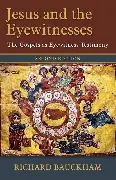
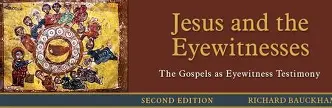
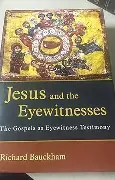
- Book: _The Reliability of the New Testament_ by Craig Blomberg (Zondervan, 2018)
- Video: “4 Clues the Gospels are Eyewitness Testimony” (link to video)
Conclusion
The role of eyewitness testimony in the Gospels offers valuable insights into the historical accuracy and authenticity of these texts. By considering the context, recognizing discrepancies as reflections of human memory complexities, and appreciating the unique perspectives provided by firsthand accounts, we can gain a deeper understanding of the events surrounding Jesus’ life, death, and resurrection.
Additional Reflections
As you continue your study of the Gospels, consider the following questions:
- What are some other examples in the Gospels that demonstrate eyewitness testimony?
- How can understanding the role of eyewitness testimony enrich our spiritual journey and faith?
Personal Reflections
Take some time to reflect on your own experiences with eyewitness testimony. How have firsthand accounts impacted your life and understanding of the world? Share your thoughts below, or discuss them with a study partner or small group.