The Origins of the Bible: How the Canon Was Formed
The Formation of the Biblical Canon
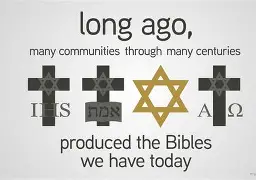
To understand the formation of the biblical canon, it is essential to recognize that the Bible is a collection of books, not just one book. For over 1,000 years, most people encountered the Bible as multiple volumes or scrolls.
- The Jewish Bible today is known as the Tanakh, consisting of the Torah, Nevaim, and Ketuvim.
- The Christian Bible contains the Old Testament and the New Testament, each with several smaller collections.
- There are differences between the Jewish Tanakh and the Christian Bible primarily due to the inclusion of the New Testament.
Stages of Canonization
Each book in the Bible went through at least three basic stages:
- Composition: The book was written.
- Circulation and Use: The book was copied, shared, and used by communities.
- Confirmation as Part of the Canon: The process of confirming which books belong in the biblical canon took place over centuries.
Controversies and Disagreements
The formation of the biblical canon was not a straightforward process, as different Christian traditions had varying opinions about which books belong in the Old Testament. Although there was universal agreement on the canon of the Hebrew Scripture by AD 250, the debate about the apocrypha continues to this day.

Lesson Summary
- The Bible is a collection of books, not just one book.
- Each book in the Bible went through at least three stages: composition, circulation and use, and confirmation as part of the canon.
- The process of determining the biblical canon was conducted by Jewish rabbis and scholars, followed by early Christians.
- Different Christian traditions have varying opinions about which books belong in the Old Testament, with universal agreement on the Hebrew Scripture by AD 250, but debate about the apocrypha continues today.

Further Reading
For a more in-depth exploration of this topic, consult the following resources:
- How the Biblical Canon Was Formed (Video)
- How and When was the Canon of the Bible Put Together? (Video)

Conclusion
In this study guide, we examined the process through which the biblical canon was formed. By understanding the historical context and the stages of canonization, we can appreciate the richness and complexity of the Bible as a collection.