The Hittites: How Archaeology Proved the Bible Right
Introduction
For centuries, the Old Testament has mentioned a powerful people known as the Hittites. They were described as mighty warriors and shrewd diplomats but their existence was often questioned or dismissed by scholars. However, archaeological discoveries in the late 19th and early 20th centuries proved that the Hittites were not just biblical phantoms, but a real civilization with a rich history.
Buried Truths: From Biblical Phantom to Archaeological Fact
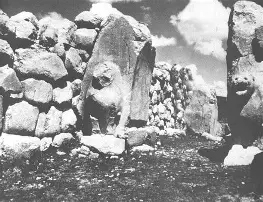
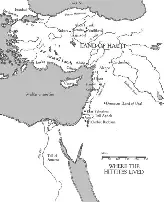
In 1876, Archibald Henry Sace proposed the existence of a powerful forgotten civilization in Anatolia. His colleagues dismissed the claim. But in 1906, Hugo Winckler uncovered the ruins of a city once thought mythical – Hattusa, the capital of the Hittites. The discovery of over 10,000 clay tablets inside the city revealed a civilization that was lost and found.
- 1876: Archibald Henry Sace proposed the existence of a powerful forgotten civilization in Anatolia.
- 1906: Hugo Winckler uncovered the ruins of Hattusa, the capital of the Hittites.
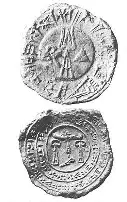
- 1915: Czech linguist Bedriq Rosny deciphered the language on the clay tablets as an ancient Indo-European tongue.
The Hittites: A Civilization Lost and Found
With the decipherment of the Hittite language, scholars were able to learn more about this civilization. They discovered that the Bible’s account of their interactions with the Israelites was not only accurate but also shed light on their culture and history.
- Biblical References: The Book of Genesis recounts Abraham’s interactions with the Hittites. King David’s mighty men included Hittite warriors.
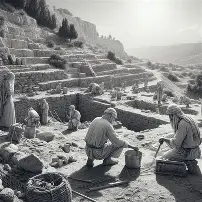
- Material Evidence: Excavations at Bogazkoy yielded intriguing results, including inscriptions in an unknown language.
Conclusion
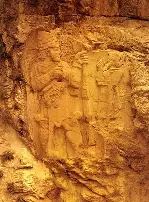
The rediscovery of the Hittites stands as a landmark moment in both biblical and world history. It highlights the invaluable role archaeology plays in illuminating the past and vindicating scripture where necessary. The Hittites, once relegated to the realm of myth, are now firmly established as a major power in the ancient world.
Lesson Summary
- Archibald Henry Sace first proposed the existence of a powerful forgotten civilization in Anatolia in 1876.
- Hugo Winckler uncovered the ruins of Hattusa, the capital of the Hittites, in 1906.
- Czech linguist Bedriq Rosny deciphered the language on the clay tablets as an ancient Indo-European tongue in 1915.
- The Bible’s account of the Hittites’ interactions with the Israelites was accurate and shed light on their culture and history.
- The rediscovery of the Hittites stands as a landmark moment in both biblical and world history, highlighting the importance of archaeology in understanding the past.
Further Reading
For a more in-depth look at the Hittites, we recommend the following resources: