
Major vs Minor Prophets: Understanding the Distinction
Introduction
In this article, we will explore the difference between major and minor prophets in the Old Testament. We will delve into the historical context, the length of their books, and discuss why this classification may not be as straightforward as it seems.
The Distinction: Major vs Minor
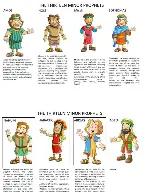
Traditionally, the Old Testament prophets are classified into two categories: major and minor prophets. The major prophets include Isaiah, Jeremiah, Ezekiel, and Daniel, while the remaining 12 prophets are grouped as minor prophets.
- The major prophets’ books tend to be longer due to their broad, global implications.
- On the other hand, the minor prophets’ books are shorter and focus on more specific, narrow themes.
Miscommunication: All Prophets are Valuable
However, as Dr. Dan explains in the video “What’s the Difference Between Major vs. Minor Prophets?”, this classification can create a misconception. Using terms like major and minor may diminish the value of prophets with shorter books.
Valuable Examples: Lessons from Major and Minor Prophets
There are valuable lessons to be learned from both major and minor prophets. For instance, the birth of Jesus is foretold by Micah (a minor prophet) in Micah 5:2.
Conclusion
In conclusion, while it is common to classify the prophets as major or minor based on the length of their books, it is essential to recognize that all prophets are valuable. Each book in the Old Testament offers unique insights and lessons for us today.