
Daily Life in First Century Jerusalem: A Biblical Scholar’s Perspective
Introduction: The City and Its Significance
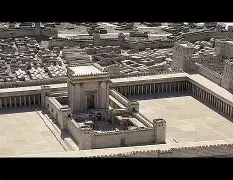
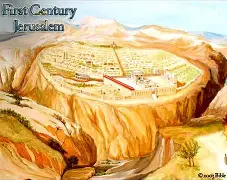
First-century Jerusalem was a bustling city located in the Judean province, an essential pilgrimage site for Jews. It served as the religious and cultural center of Judaism during this time.
The Economy and Occupations
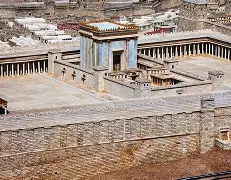
The economy of first-century Jerusalem was primarily agrarian, with many residents engaged in subsistence farming or working as artisans. The city was also a significant trade hub due to its religious significance.
- Agriculture: Farming and herding were the primary occupations for most people living in rural areas surrounding Jerusalem.
- Artisans: Many residents of Jerusalem worked as artisans, producing items such as pottery, textiles, and metalwork.
- Trade: Merchants and money changers were present in the city, catering to the needs of pilgrims and residents alike.
Housing and Daily Life
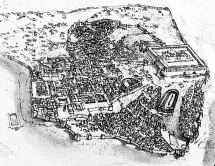
Residential areas in first-century Jerusalem consisted of closely packed homes, with most inhabitants living in simple dwellings made of mud bricks or stone. Homes often had an outdoor courtyard area used for various activities.
Crafts and Industries
Various crafts and industries thrived in first-century Jerusalem, including pottery making, textile production, and metalworking. These were often family-run businesses, with each member contributing to the manufacturing process.
- Pottery Making: Potters created vessels used for everyday activities such as cooking, eating, and storing grain.
- Textile Production: Weavers produced clothing, textiles, and other items made from wool, linen, or cotton.
- Metalworking: Blacksmiths crafted tools, weapons, and jewelry from iron, copper, and bronze.
Food and Diet
The diet of first-century Jerusalem residents consisted mainly of grains, legumes, fruits, vegetables, fish, and occasional meat. Bread was a staple food, often made from barley or wheat.

Religion and the Temple
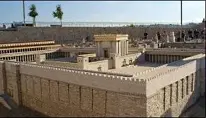
The Second Temple, located in Jerusalem, was a significant religious site for Jews during this time. It served as the focal point for pilgrimages and religious observances.
Lesson Summary
- Economy: The economy of first-century Jerusalem was primarily agrarian, with trade and artisanry playing crucial roles.
- Housing and Daily Life: Residents lived in simple dwellings, often with an outdoor courtyard area used for various activities.
- Crafts and Industries: Pottery making, textile production, and metalworking were common occupations in the city.
- Food and Diet: The diet of first-century Jerusalem residents consisted mainly of grains, legumes, fruits, vegetables, fish, and occasional meat.
- Religion and the Temple: The Second Temple served as a significant religious site for Jews during this time.