
Introduction: The Preservation of the New Testament
In this article, we will explore how the New Testament was preserved through ancient manuscripts. We will delve into the nature and quantity of these manuscripts, their historical and spiritual context, and discuss the significance of textual variants.
The Disappearance of Original Manuscripts
Unfortunately, we do not have the original manuscripts of the New Testament. These texts disappeared within a century due to frequent copying and handling by early Christians who were more concerned with spreading the gospel than making exact copies.
The Blessing of Copies and Textual Variants
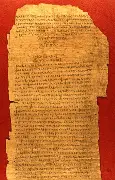
Because no two copies agree completely, we have hundreds of thousands of textual variants among our manuscripts. This might seem like a problem, but it’s actually a blessing. The widespread copying of the New Testament resulted in numerous versions being created, each providing valuable insights into the transmission and interpretation of the texts.
A Case of Textual Variant
For example, one well-known textual variant occurs in Mark 16:9-20, where some manuscripts end with verse 8, while others include verses 9-20. This difference raises questions about the original ending of the Gospel of Mark.
The Importance of Textual Criticism
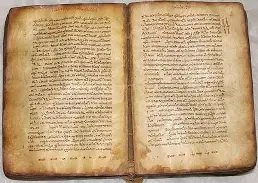
To address the issue of textual variants, scholars use textual criticism to reconstruct the original text as closely as possible. This process involves analyzing manuscripts, comparing their content and context, and evaluating the quality of each copy.
The Abundance of Manuscripts and Church Fathers’ Writings
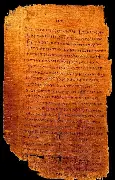
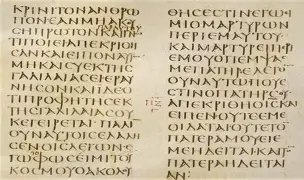
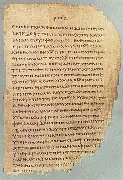
Today, we have an abundance of New Testament manuscripts in various languages, totaling tens of thousands. Additionally, the writings of early church fathers who commented on the New Testament further support our understanding of these texts.
The Significance of Textual Variants and Their Nature
While it is important to acknowledge the existence of textual variants, we must also consider their nature. Most variants do not significantly alter the meaning or theology of the New Testament, but provide insights into its transmission and interpretation over time.
Conclusion: The Preservation of the New Testament
In conclusion, while we do not have the original manuscripts of the New Testament, we possess a vast number of copies and early church fathers’ writings that enable us to reconstruct the text with a high degree of confidence. Despite textual variants, we can trust that the essential teachings and messages of the New Testament have been accurately preserved for future generations.
Lesson Summary
- The original manuscripts of the New Testament have disappeared due to frequent copying by early Christians;
- Hundreds of thousands of textual variants among our manuscripts provide valuable insights into the transmission and interpretation of these texts;
- Textual criticism is used to reconstruct the original text as closely as possible;
- Today, we have an abundance of New Testament manuscripts in various languages, totaling tens of thousands;
- The writings of early church fathers who commented on the New Testament further support our understanding of these texts.