
How We Got the English Bible: From Tyndale to KJV
In this article, we will explore the fascinating journey of how the English Bible evolved from Tyndale’s translation to the King James Version (KJV).
From Aramaic to Latin: The Early Manuscripts
The story of the English Bible begins with the ancient Jewish scrolls written in Hebrew, Aramaic, and Greek. These sacred texts were eventually translated into Latin (the Vulgate) and later into English.
The Rebellion: John Wycliffe and His Students
The earliest complete translation of the Bible in English was made by Oxford scholar John Wycliffe and his students in the late 1300s. Their translation, which was based on the Vulgate, became quite popular during the Middle Ages despite tension with Church leaders.
The Risk & Revolution: William Tyndale and His Translations
Fast forward to the 16th century, English scholar William Tyndale began translating the Bible from the original languages (Hebrew, Aramaic, and Greek) into English. His work was a significant step towards creating an accessible and readable Bible for everyone.
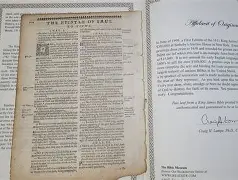
From Latin to English: The English Translations
Other influential English translators who contributed to the development of the KJV include Myles Coverdale, Matthew Parker, and Edward Lee. Their work paved the way for the Authorized King James Version in 1611.
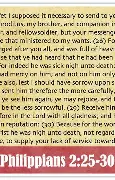
How the Heck Do You Read This? The Secrets to Reading Early English Bibles
Early English translations of the Bible were written in a different dialect and spelling than modern English. Understanding the historical context and vocabulary is essential for reading these early texts.

Lesson Summary
- The story of the English Bible begins with ancient Jewish scrolls written in Hebrew, Aramaic, and Greek.
- John Wycliffe’s translation in the late 1300s was based on the Vulgate and became popular despite tension with Church leaders.
- William Tyndale translated the Bible from original languages in the 16th century, marking a significant step towards creating an accessible English Bible.
- Other influential translators paved the way for the Authorized King James Version in 1611.
- Understanding historical context and vocabulary is essential for reading early English Bibles.