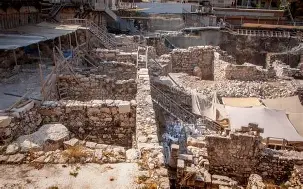
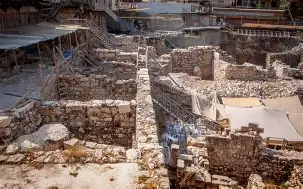
The City of David, on the ridge south of Jerusalem’s Temple Mount, is one of the most intensively studied areas of ancient Jerusalem. Its archaeological layers help researchers reconstruct the city’s water systems, fortifications, streets, and changing patterns of settlement. Some discoveries are well documented; others, especially proposed connections to specific biblical figures, remain debated.
Why does the City of David matter?
The area is associated with the early history of Jerusalem and with the settlement described in the Hebrew Bible. Archaeologists investigate structures from different periods, including the Iron Age, the Second Temple period, and later occupation. Reading the material evidence together with ancient texts can be illuminating, but the two forms of evidence do not always answer the same questions.
Early Jerusalem, fortifications, and water systems
Archaeological work has documented fortifications near the Gihon Spring and portions of ancient city walls. The area is also known for the water tunnel traditionally associated with King Hezekiah. The physical remains offer important insight into how Jerusalem managed defense and access to water, although the chronology and interpretation of individual features need to be considered case by case.
Was King David’s palace discovered?
Archaeologist Eilat Mazar excavated a monumental complex commonly called the Large Stone Structure and proposed that it might be connected to a royal palace from the period associated with David. She did not establish this identification beyond debate. Other archaeologists have challenged the dating and even whether the exposed walls belong to one building. The site is therefore a case study in how archaeological interpretations are tested and revised.
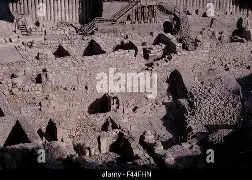
Mazar died in 2021. Describing her as the leader of present-day excavations is inaccurate. Her excavations and interpretations remain part of the scholarly discussion, while other teams continue archaeological investigations in Jerusalem.
The Pool of Siloam and the stepped street
In the southern part of the archaeological landscape, excavations of the Pool of Siloam and the nearby stepped street have shed light on movement through Jerusalem in the late Second Temple period. The stepped street connected the southern area with the direction of the Temple Mount and is often discussed in relation to pilgrimage. These findings belong to a much later period than the debate over Jerusalem in the time of David.
What archaeology can—and cannot—tell us
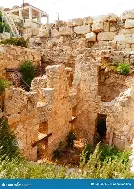
- Well-supported: Jerusalem preserves remains of fortifications, water infrastructure, buildings, and streets from multiple historical periods.
- Interpretive: Connecting a particular wall or monumental complex with a named biblical king requires chronological and contextual arguments.
- Unresolved: The date and identification of some large structures remain contested within scholarship.
Conclusion
The City of David is a valuable place to explore the relationship between biblical history and archaeology precisely because it contains both significant discoveries and serious scholarly disagreements. Careful reporting distinguishes the artifacts archaeologists have found from the historical reconstructions proposed to explain them.