The Meaning of the Seven Churches in Revelation: A Comprehensive Study Guide
Introduction
In this study guide, we will delve into the significance of the seven churches mentioned in the Book of Revelation (Revelation 2-3). Although these churches were literal congregations situated in Asia Minor during John’s time, their symbolism extends far beyond that historical context.
The Historical Context
- During the time of John’s exile on Patmos, Jesus Christ appeared to him and revealed future events as well as messages for each of Asia Minor’s seven churches.
- These letters served both to address the needs of the literal churches at that time and to provide spiritual instruction for churches throughout history.
The Spiritual Significance
Throughout the centuries, various interpretations have emerged regarding the symbolic meaning of these seven churches. Some suggest that they represent seven different eras in the church’s history, while others argue that each church portrays a specific type of individual or congregation throughout history.
While there may be some truth to these interpretations, it is essential to focus on the message God conveys through each letter rather than indulging in speculation.
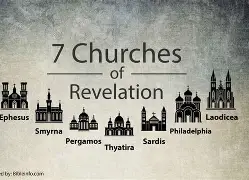
The Seven Churches
- Ephesus: The Loveless Church (Revelation 2:1-7)
- Smyrna: The Suffering Church
- Pergamum: The Church that Needs to Repent
- Thyatira: The Church with a False Prophetess
- Sardis: The Church that has Fallen Asleep
- Philadelphia: The Church that Endured Patiently
- Laodicea: The Church with Lukewarm Faith
Conclusion
The seven churches in Revelation provide profound spiritual insight into the challenges and virtues that believers face throughout history. By studying these churches, we can gain a deeper understanding of God’s truth and learn how to overcome adversity with faith and perseverance.