
Biblical Priesthood: From Leviticus to Christ
Introduction
In this study guide, we will explore the concept of biblical priesthood, tracing its development from the Old Testament, particularly in Leviticus, to the fulfillment in Christ.
Old Testament Priesthood: A Brief Overview
The Old Testament introduces humanity as God’s royal priests, responsible for representing Him and ruling on His behalf. This calling was initially forfeited due to human sin, but God promised a descendant who would restore the blessings of Eden.
Priesthood in Leviticus: The Shadow of Christ
- The sacrificial system of Leviticus provides a shadow of the ultimate sacrifice made by Christ.
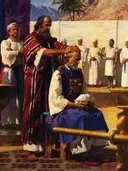
- The high priest, clothed in specific garments, symbolizes Christ and His redemptive work.
- The sin offering, represented by the sacrificial lamb, points to the forgiveness made possible by Christ’s sacrifice.
Christ as the High Priest
Jesus, as the ultimate royal priest, suffered and died for humanity, restoring the original calling of humans as priests.
New Testament Priesthood: A Renewed Calling
In the New Testament, followers of Christ are called to be a spiritual house and royal priesthood, dwelling in God’s presence.
Lesson Summary
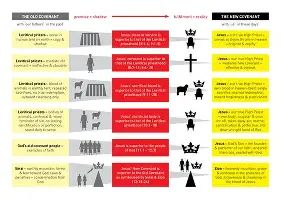
- The Old Testament introduces humanity as God’s royal priests.
- Leviticus provides a shadow of Christ, the ultimate royal priest.
- Jesus’ sacrifice restores the original calling of humans as priests.
- In the New Testament, followers of Christ are called to be a spiritual house and royal priesthood.