

The Sermon on the Mount: Ethics of the Kingdom
Introduction
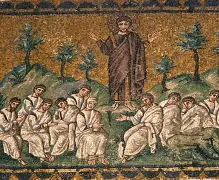
The Sermon on the Mount, recorded in the Gospel of Matthew (Chapters 5-7), contains some of Jesus’ most well-known teachings. This discourse serves as a foundational text for understanding the ethics of God’s Kingdom. In this study guide, we will explore the structure and content of the Sermon on the Mount, focusing on its three main sections and their respective subdivisions.
Main Body
Introduction: The Identity of God’s Kingdom Participants
In the introduction to the Sermon on the Mount, Jesus presents a surprise announcement, inviting the people to experience the good life of God’s kingdom. This section is often recognized as the Beatitudes (Matthew 5:3-12), which redefine who belongs to God’s kingdom and enjoys its blessings.
Main Teachings: Righteousness in God’s Kingdom
- Righteousness and the Torah (Matthew 5:17-20)
- Righteousness and Religious Practices (Matthew 5:21-48)
- Righteousness and Relationships (Matthew 6:1-24)
Jesus establishes that He did not come to abolish the law but to fulfill it. By doing so, He sets a higher standard for righteousness.
Jesus examines various religious practices of His day, challenging the listeners to go beyond the letter of the law in order to achieve true righteousness.
Jesus concludes this section by emphasizing that righteousness is not only about external actions but also about our relationships with God and others. He teaches on prayer, fasting, almsgiving, and loving enemies.
Conclusion
Jesus concludes the Sermon on the Mount by calling His listeners to make a choice about how they will respond to His teachings (Matthew 7:1-29). He challenges them to be doers of the Word, not just hearers.


Lesson Summary
- The Sermon on the Mount is divided into three main sections: Introduction, Main Body, and Conclusion.
- In the Introduction, Jesus presents the Beatitudes as a redefinition of who belongs to God’s kingdom.
- The Main Body explores righteousness in three aspects: its relationship with the Torah, religious practices, and relationships.
- Jesus concludes the Sermon on the Mount by challenging His listeners to make a choice about how they will respond to His teachings.