The Tabernacle in the Wilderness: A Divine Dwelling Place
In this article, we delve into the symbolic meaning and significance of the Tabernacle, a portable sanctuary that accompanied the Israelites during their journey through the wilderness. Constructed under God’s explicit instructions, the Tabernacle served as a tangible manifestation of His presence among His people.
A Brief Overview of the Tabernacle
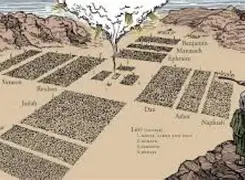
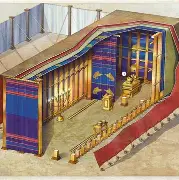
- Curtains separated the Tabernacle from the Israelite encampment, providing a physical boundary between the sacred and the secular.
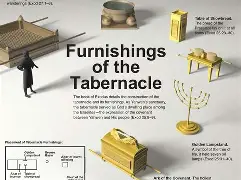
- The courtyard housed the largest piece of furniture, the altar for sacrifice. This wooden box, covered in bronze, was shaped as a square and stood approximately 7.5 feet long and wide.
- Between the altar and the tent of meeting was a bronze laver, where priests cleansed themselves before offering sacrifices or entering the tent.
The Inner Sanctum: Symbols of Divine Presence
- Inside the inner tent stood the menorah, a lamp stand with seven branches. This solid gold object symbolized God’s eternal light and His desire to be with His people.
- Also within the inner tent was the wooden table covered in gold, upon which the bread of the presence always remained. This bread represented God’s constant presence among His people.
- Incense burned continuously on the altar, reminding the priests to constantly seek God’s presence and guidance.

The Ark of the Covenant: A Mediator Between God and His People
Situated within the inner sanctum was the Ark of the Covenant. This sacred object held the Ten Commandments, symbolizing God’s covenant with Israel.
The Symbolic Journey to God’s Presence
- The Tabernacle structure itself represented a symbolic journey towards God’s presence. The entrance was located on the east side, signifying the beginning of the journey.
- The altar of sacrifice taught the Israelites that reconciliation with God required sacrifice and atonement.
Lesson Summary
- The Tabernacle, a portable sanctuary in the wilderness, served as a manifestation of God’s presence among His people.
- Its elements, such as the altar, menorah, and Ark of the Covenant, held deep symbolic meaning regarding God’s desire for reconciliation, constant presence, and covenantal relationship with His people.