Archaeological Evidence for the Exodus: What We Know Now

Introduction
The biblical story of the Exodus, detailing the Israelites’ departure from Egypt led by Moses, has captivated the human imagination for thousands of years. However, the historical accuracy of this narrative remains a subject of debate among scholars. In recent decades, some have dismissed it as mere myth, while others claim that archaeological evidence supports its authenticity.
The Exodus and Its Impact on Ancient Egypt
One of the key arguments for the historical veracity of the Exodus is its impact on ancient Egyptian culture. The Valley of the Kings, where 60 Pharaohs were buried, provides rich evidence of this interaction. Archaeologist Victor Leray discovered a tomb in the valley over 120 years ago, which he believed to be that of Pharaoh Ammanhotep II.
The Excavation and Discovery
Leray’s excavation revealed that the tomb had already been looted, which is common for tombs in the Valley of the Kings. This means that any valuable artifacts would have been removed by the looters, leaving behind items considered of lesser value.
The Evidence: Archaeological Findings
- Chisel marks: Leray noticed chisel marks at the entrance to the tomb, indicating that it had been opened before his excavation.
- Funerary statuette: A funerary statuette with the name Ammanhotep II was found in front of the tomb, confirming its identity.
The Exodus Narrative and Its Connection to the Discovery
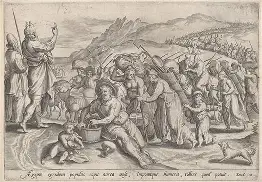
While the discovery itself does not prove the Exodus, it offers compelling evidence that supports the narrative. The Bible describes a mass exodus of Israelites from Egypt, which could have caused significant disruption in ancient Egyptian society, such as tomb lootings.
Conclusion
While the historical accuracy of the Exodus remains debated among scholars, archaeological evidence provides valuable insights into this biblical story. The discovery of Pharaoh Ammanhotep II’s tomb in the Valley of the Kings offers a tangible connection between ancient Egypt and the events described in the Bible.
Lesson Summary
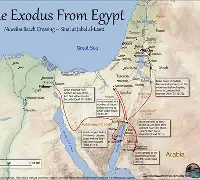
- The Exodus story describes the Israelites’ departure from Egypt led by Moses.
- Archaeological evidence supports the idea that the Exodus had an impact on ancient Egyptian culture, particularly in the Valley of the Kings.
- Pharaoh Ammanhotep II’s tomb, discovered over 120 years ago, provides a tangible connection between ancient Egypt and the events described in the Bible.
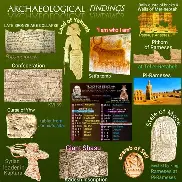
As biblical scholars and theology professors, it is essential to approach these ancient narratives with an open mind and a critical eye. By examining archaeological evidence and historical context, we can gain deeper insights into the stories that have shaped human civilization for millennia.