The Discovery of the Dead Sea Scrolls: Impact on Bible Study
Introduction
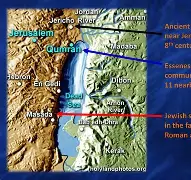
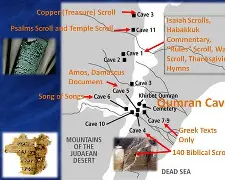
The Dead Sea Scrolls, discovered in 1947, are a collection of ancient Jewish texts written between the last three centuries BCE and the first century CE. Found in the caves of Qumran near the Dead Sea, these scrolls have had a profound impact on biblical studies and our understanding of Second Temple Judaism.
Discovery of the Dead Sea Scrolls
A Bedouin shepherd named Muhammad discovered the scrolls while searching for his lost goat in one of the caves. The scrolls were wrapped in linen and maintained due to their exceptional preservation conditions.
What was found?
The Dead Sea Scrolls include some of the oldest known copies of biblical manuscripts. They provide a valuable resource for scholars to compare early versions of biblical texts with later ones.
Impact on Biblical Studies
- Textual Comparison: The scrolls allow scholars to compare early versions of biblical texts with later ones, revealing how these texts were edited and canonized over time.
- Textual Reliability: The scrolls confirm the biblical text’s faithfulness through the centuries while also revealing other text traditions that existed during the Second Temple period.
- Insights into Jewish History and Thought: The scrolls offer insights into Jewish law, beliefs, and practices during the Second Temple period.
- Early Christianity Context: The Dead Sea Scrolls help scholars piece together the beliefs and practices that may have influenced early Christianity.

Conclusion
The discovery of the Dead Sea Scrolls has significantly impacted biblical studies, providing invaluable insights into Jewish history and thought, as well as offering context for early Christianity. The scrolls offer a unique opportunity to study the evolution of the biblical text through comparative analysis.