

Pontius Pilate: A Historical and Archaeological Perspective
Introduction
In this article, we shall delve into the historical figure of Pontius Pilate, a central character in Christian tradition who played a pivotal role in the trial and crucifixion of Jesus Christ. We will examine the available evidence from history and archaeology to shed light on this enigmatic Roman governor.
The Life of Pontius Pilate
Pontius Pilate was a procurator (a title used for a Roman governor) of Judea during the late 20s and early 30s AD. He is known primarily from the accounts in the New Testament of the Bible, but recent archaeological discoveries have provided additional insights into his life.
- The exact year of Pilate’s birth and death are unknown, but he was born around 10 BC and died sometime after 36 AD.
- Pilate held various positions within the Roman Empire before being appointed as procurator of Judea.
Archaeological Evidence
The most compelling evidence for the existence of Pontius Pilate comes from an inscription discovered in Caesarea, a port city on the Mediterranean coast. This limestone block, known as the Pilate Stone or Pilate Inscription, was unearthed during archaeological excavations in 1961.
The Trial and Crucifixion of Jesus
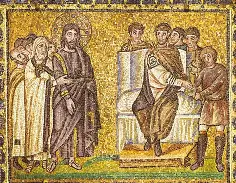
According to the New Testament, Pilate was called to Jerusalem amidst the uproar over the ministry of Jesus, who was considered a rebel leading a messianic movement. The famous exchange between Pilate and Jesus, “Are you the king of the Jews?” and Jesus’ response, “You have said so,” is recorded in Scripture.
Historical Context
Pilate governed Judea during a tumultuous time, marked by religious unrest and political tensions. His rule was characterized by harshness and brutality, as attested by reports of massacres and bloodshed.
Conclusion
Though our knowledge of Pontius Pilate is limited, archaeological discoveries such as the Pilate Stone have provided valuable insights into this complex historical figure. The trial and crucifixion of Jesus remain key events in Christian tradition, shaping the course of history for centuries to come.
Lesson Summary
- Pontius Pilate was a procurator (governor) of Judea during the late 20s and early 30s AD.
- Archaeological evidence for Pontius Pilate includes an inscription discovered in Caesarea, known as the Pilate Stone or Pilate Inscription.
- According to the New Testament, Pilate was involved in the trial and crucifixion of Jesus Christ.