

The Chronological Order of the Prophets in Israel
Introduction
This article aims to provide a comprehensive guide on the chronological order of the prophets in ancient Israel. It is essential to understand their roles and messages within the historical and spiritual context of the Hebrew Bible (Old Testament). The following analysis will delve into the lives, works, and significance of these prophetic figures.
The Divided Kingdom
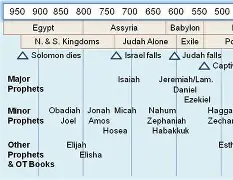
After the death of King Solomon in 928 BC, the United Kingdom split into two: the northern kingdom (Israel) and the southern kingdom (Judah). This division lasted for approximately 206 years, until the Assyrian conquest of Israel in 722 BC. During this period, God sent prophets to address the spiritual decline of both kingdoms.
The Prophets of the Divided Kingdom
– Obadiah (8th century BC)
– Jonah (8th-7th century BC)
– Amos (8th century BC)
– Hosea (8th century BC)
– Micah (760-700 BC)
– Isaiah (740-681 BC)
– Zephaniah (7th century BC)
- Obadiah: The earliest prophet in this group, Obadiah delivered a message of judgment against the kingdom of Edom for their mistreatment of Israel.
- Jonah: Known for his story of being called by God to preach repentance to the people of Nineveh, Jonah’s message ultimately led to a city-wide spiritual awakening.
- Amos: A shepherd and fruit picker, Amos delivered powerful oracles against Israel and Judah for their social injustices and idolatry.
- Hosea: Hosea’s ministry focused on the unfaithfulness of Israel and the impending judgment, but also held out hope for restoration through God’s love.
- Micah: Micah prophesied about the coming destruction of Jerusalem by the Babylonians and emphasized the importance of justice and righteousness.
- Isaiah: One of the most influential prophets, Isaiah’s messages encompassed judgment, salvation, and the coming Messiah. He also foretold the fall of Jerusalem to Babylon.
- Zephaniah: Zephaniah warned both Judah and Israel about impending judgment but also held out hope for those who repented and turned back to God.
Conclusion
Understanding the chronological order of the prophets in ancient Israel provides valuable insights into the historical, spiritual, and cultural context of their messages. These prophets served as God’s messengers to warn, correct, and bring hope to the people of Israel during a time of great spiritual decline. By studying their lives and works, we can better understand the nature of God and His relationship with humanity.
Lesson Summary
– The United Kingdom of Israel split into two: the northern kingdom (Israel) and the southern kingdom (Judah) in 928 BC.
– God sent prophets to address the spiritual decline of both kingdoms during the approximately 206-year period of the divided kingdom.
– Seven prophets were sent during this time: Obadiah, Jonah, Amos, Hosea, Micah, Isaiah, and Zephaniah.
– Each prophet delivered messages relevant to their historical context, addressing issues such as social injustice, idolatry, and spiritual decline.